
Streamlined approach needed to protect Kirk heritage
Published on 18 May 2026 3 minutes read
The Church of Scotland was invited to take a strategic look at how it cares for churches and other buildings and ask whether it needs to take a new approach to the challenge.
Rev Dr Scott Rennie, convener of the General Trustees, said that the Church's property holding arm was better placed than ever to care for the Kirk's properties following significant restructuring in recent years.
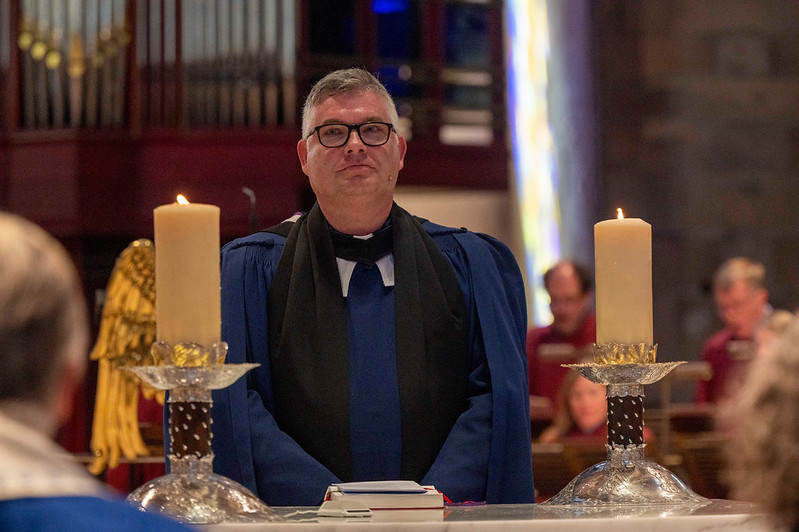
But he also warned that the on-going challenges of caring for a diverse and aging building portfolio required a new way of responding to maintenance needs.
Dr Rennie said: "The Church of Scotland faces challenges common to many denominations across the United Kingdom: ageing buildings, declining volunteer capacity, increasing regulatory requirements, and a more demanding health and safety environment.
"Congregations are often asked to manage increasingly complex property responsibilities without sufficient time, expertise, or local capacity.
"The consequence is that the Church is too often forced to commit substantial finite resources to major remedial works that might have been avoided through consistent preventative maintenance.
"In simple terms, we are too frequently paying later for what could have been addressed earlier."
This raised important questions about whether the current stewardship model — where congregations report to presbyteries and presbyteries report to the General Trustees — was sustainable.
"A system that works only when perfectly followed, but which is seldom followed consistently in practice, is not a system that is serving the Church well," Dr Rennie added.
"The resulting inconsistency inevitably leads to higher long-term costs and greater risk across the estate."
The General Trustees now plan to consult national and presbytery colleagues on the possibility of developing a simpler and more effective system that would enable early repair, prompt action and the better use of funds.
A network of expertise
Positive changes highlighted by Dr Rennie in the General Trustees report included the "transformative" introduction of presbytery building officers.
"For the first time, congregations and presbyteries have access to a locally based, yet nationally connected, network of professional advice and expertise," he said.
"Collectively, this team is able to bring consistency, practical support, and national experience to bear on local challenges."
The introduction of presbytery planning also represented a major shift, allowing the General Trustees to become active partners with presbyteries in making decisions about their buildings and their future.
Dr Rennie, who is also minister of Edinburgh's St Giles' Cathedral, also reported on the launch of the Signature Churches Network to address the specific challenges faced by large, cathedral-like churches.
This would help congregations share expertise around the stewardship of major buildings and create opportunities for deeper engagement with national bodies such as Historic Environment Scotland and the National Lottery Heritage Fund.
Both bodies have expressed concern about the future of some of Scotland's most culturally and architecturally significant places of worship.
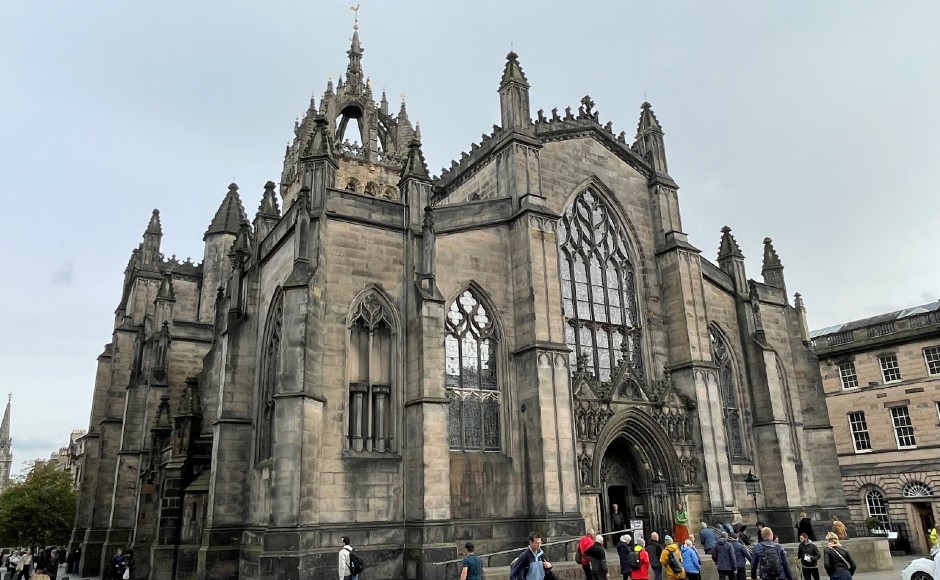
Dr Rennie said: "While membership of the network is presently limited, the Trustees are committed to ensuring that the learning and experience generated through this work benefits the wider Church."
The report also revealed a significant rise in capital available through the Consolidated Fabric Fund from money raised by the sale of Church property, which has increased from £4.3 million in 2024 to £15.6 million in 2025.
The additional funds are expected to go towards the cost of repair and project works to the Kirk's remaining buildings.
However, the report also raised concern about the closure of the Listed Places of Worship Scheme which allowed Churches to claim back on Value Added Tax (VAT) for repairs to listed places of worship.
A Church-wide working group has been formed to raise awareness of the changes and work with other denominations to lobby both the UK and Scottish Governments on the restoration of this relief.