
A Family of Ministries

This vision describes a Church that seeks to equip all its people to live out God's mission in a changing Scotland, embracing a collaborative approach to ministry
Key Principles
· Whole People of God: All ministries take place within the wider ministry of the entire people of God.
· Equipping for Mission: The primary purpose of the Family of Ministries is to enable people across the church to live out the mission of God effectively.
· Diversity and Flexibility: Ministry expressions will vary, including established parish roles, part-time and flexible positions, local worship leaders, church plants, pioneering ministries, new worshipping communities, and various chaplaincies.
· Affirming the contribution that these expressions of ministry make in different communities and contexts.
Our Vision for those serving in our Family of Ministries
· Confident Communicators: Clear and confident preachers and leaders of worship, exploring new expressions and reshaping traditional liturgies as appropriate.
· Mission-Driven and Spiritually Anchored: Passionate about the Gospel and mission, with a robust spiritual life that strengthens the practical application of their caring and loving of others.
· Empowering Leaders: Encouraging congregations and communities keen to grow spiritually and missionally, raising up leaders from within, and encouraging of leadership around them.
· Welcoming and Evangelistic: Finding joy in creating open and welcoming spaces and leading people to faith.
· Collaborative Partners: Working within supportive networks that are welcoming, enabling, nourishing, and offering accountability, as a community of disciples
· Reflective Practitioners: committed to reflecting on how they practice their ministries, and to ongoing development in how they exercise their roles.
· Pastoral and Compassionate: Pastorally sensitive and competent, meeting people where they are and reaching out in times of grief, challenge, celebration, and remembrance.
· Comprehensive – affirming and drawing on the gifts and contributions which our elders offer as part of their discipleship and commitment to the local church
A Church That Works Together
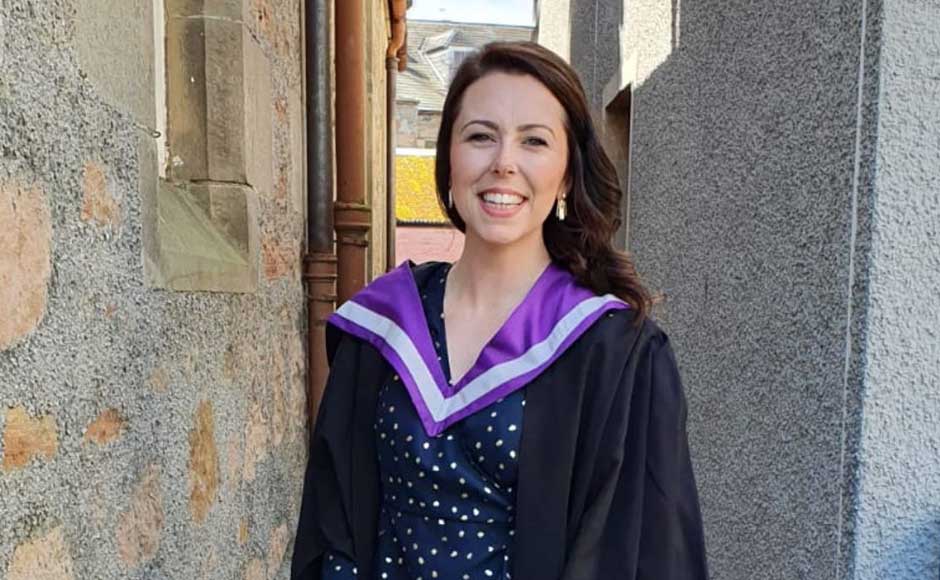
It's the biggest blessing to know you're exactly where God has led you. I still pinch myself that I get to love and serve my Church family and community. No two days are the same but in everything God equips!."
We envision a Church where different ministries:
- Value and Affirm Each Other: Recognising the distinctiveness of each role (Ministers of Word and Sacrament, Deacons, Readers, Worship Leaders, etc.) while appreciating their similarities.
- Model Unity in Diversity: Working together in their different contexts, witnessing to and modeling something greater than the sum of their parts.
- Are Intentionally Utilised: Presbyteries recognise and make the best use of this diversity of ministries, intentionally seeing their full potential and varied contexts.
- Demonstrate transformation: Showing the possibility of transformation of community, both within and out with the church.
For these reasons, wherever possible, we will integrate elements of training across our family of ministries, enabling partnership and understanding from an early stage.
Strong Team Ministries at work in many contexts
Team Ministries will model early Church patterns of working together, rooted in Jesus' model of mission and ministry in a way which is contextually appropriate.
Team Ministries will enable individual team members to exercise their distinctive gifts and skills and play to their strengths, and will also bring together different skills, and the resources of their collective minds to bear on problems and situations.
Team Members will have a common vision for their shared ministry, shaped at the beginning of the team, and revisited on a regular basis, often expressed in a mission statement or regularly reviewed aims and objectives.
The part our Family of Ministries can play - Word and Sacrament
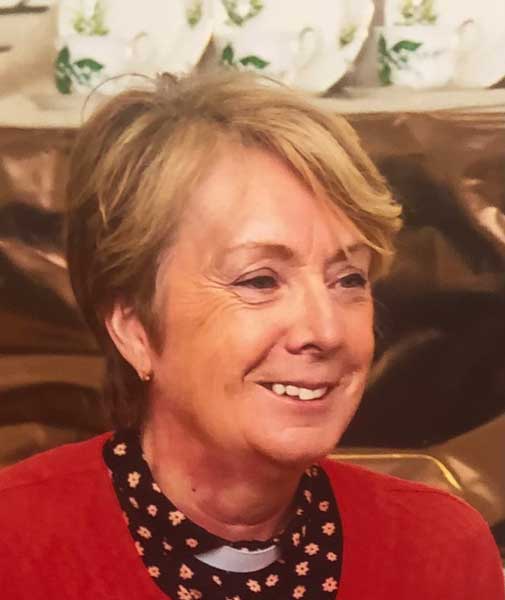
The role of OLM is best suited to me because it offers variety and that excites me. A part-time minister role has different opportunities, being either part of a team or Locum when needed. I have done both."
Ministers of Word and Sacrament are pivotal in the family of ministries, in the practice of the Church, and in fostering a sense of place, whatever the context.
- Proclaiming and Teaching the Word, leading worship on a weekly basis in congregations in most cases.
- Celebrating the Sacraments, in public worship, and in home communions.
- An integral part of forming and shaping Christian Community in the life of the local Church.
- Building up the Body of Christ.
- Moderating the courts of the Church – most Kirk Sessions and Presbyteries are moderated by a Minister of Word and Sacrament.
- Witnessing prophetically in all aspects of life – in their parish, in the wider community, in their conduct of public worship, in their pastoral work
The part our Family of Ministries can play - Diaconate
The Diaconate is a ministry of Word and Service. Deacons are dedicated to "a ministry of service," supporting the practical work of local congregations, proclaiming the Word in service and in worship, and complementing other roles within the Family of Ministries. They are:
- Bridge Builders: Deacons connect the church and its community, building relationships and understanding between the Church and its surrounding context.
- Community Focused: Deacons discern and respond to specific community needs, working at grassroots level with the poor, vulnerable, and those needing spiritual support.
- Primarily focused on Mission & Outreach: Diaconate work is inherently missional, involving witness, evangelism, and seeking out those who need God, often through creative and contextual initiatives.
- Learn more here: here
The part our Family of Ministries can play - Sector Ministries
The Family of Ministries will also recognise and engage with those whose calling has led them into chaplaincy, recognising the distinctive contribution made in these roles, whether that be hospital; prison; university; or military chaplaincies, and supporting those who offer work-place chaplaincy.
The part our Family of Ministries can play - Readership
Readers are trained, "set apart," and serve under the supervision of a Presbytery. They are a vital part of the family of ministries, whether in a specified assignment, or being involved in regular pulpit supply, covering in holidays and for ill-health.
Their primary duties are centred on the ministry of the Word, which includes:
- Conducting public worship and preaching.
- Assisting the minister in a charge, often as part of a ministry team.
- Providing pastoral care.
- Conducting funerals.
- Acting as chaplains in various institutions like care homes or schools.
The part our Family of Ministries can play - Local Worship Leaders
Local Worship Leaders are members of local congregations who offer their time and talents to be trained, according to a scheme or arrangement approved by the Presbytery. They serve within congregations, under the supervision of the Parish Minister or Interim Moderator, significantly increasing capacity for gathered worship in multiple locations.
- Conducting public worship and sometimes preaching, normally in their home congregation(s), and occasionally beyond.
The part our Family of Ministries can play - Ministries Development Staff
Ministries Development Staff work in a variety of roles, including, not limited to parish assistants, pastoral workers, children and families' workers, youth workers, or community workers. They complement the role of Ministers of Word and Sacrament and contribute significantly to helping congregations to discern their mission in context and enable them to fulfil that mission. Some can be deacons.
The part our Family of Ministries can play - Apprentices
The Apprenticeship Route is a programme for training, developing experience and discernment, aimed at younger people who may not have the academic foundation that our traditional pathways have required. It allows for people coming from a broader diversity of demographic and socio-economic backgrounds.
- Those on the apprentice route will commit to a two-year full-time programme.
- Firmly based in experience – 70% of the time will be spent engaging with a range of ministry experiences.
- There will also be time spent on more formal learning within the two-year programme, with the Apprentices being introduced to some Biblical and theological learning.
Conclusions
This is an exciting time, even in the midst of great change, with the opportunity to explore how these roles complement each other. Join with us in exploring how the local Church; the Presbytery; and the national can work together to tease through how these ministries best relate to each other in delivering mission in context in today's church.
For those who sense a call to any of our ministries, the Church runs a Discernment Process as the first stage to training. More information about this and the steps necessary to become a minister is available on our Training for Ministry page.
For more information about joining the ministry, please contact:
The Recruitment Team:
Email - ministry@churchofscotland.org.uk
Tel - 0131 225 5722
Our ministers carry out their duties to around 300,000 Church members. There are many more people who are not actually members of the Church of Scotland but who are regularly welcomed by the Church to worship God, take part in the life of the local congregation, and benefit from the love, care, and spiritual guidance of our ministry team.
Each month, in our Talking Ministry series we share a personal story from those serving in Christian ministry, along with resources to help you reflect on your own calling.